
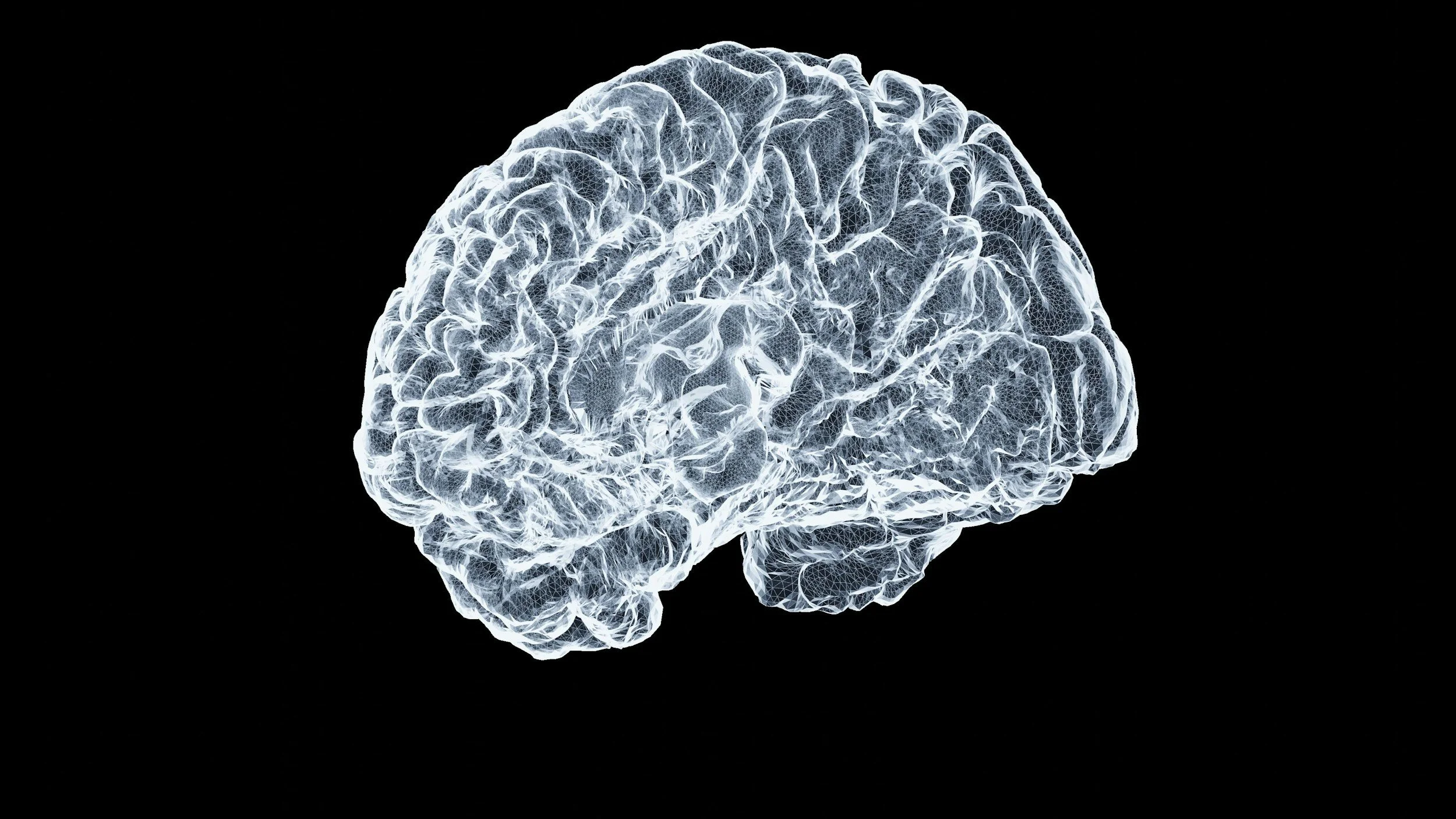
Deep Brain Re-orienting (DBR)
Deep Brain Reorienting (DBR) therapy was founded by psychiatrist Dr Frank Corrigan using the neurophysiology of the brainstem to guide the theoretical model of this treatment. DBR focuses on the initial, subconscious, super fast reactions of the brainstem, the more primal part of the brain that sits below the limbic (emotional) part of the brain and below the cortical (thinking) part as well. How do we control something that is subconscious, happens in milliseconds and causes overwhelm?
Here’s an analogy:
Brainstem - the “Control Room” - connects the spinal column to everything above the rest of the brain, runs everything automatically below conscious awareness like heart rate, breathing, blood pressure, swallowing, arousal level, sleep-wake cycles. This part of the brain acts before we know what’s happening. It’s the brain’s trigger system that fires off a noradrenaline surge the instant it registers something as dangerous, whether that’s a loud noise, a raised voice, or a memory fragment that reminds you of past danger. It is from here people may describe as “always on alert”, “body locked into an intense brace”. This brainstem changes what happens upstream and amplifies emotions and meaning to things and dampens the the prefrontal cortex (planning and thinking) from managing the situation.
Limbic system - the “Alarm and PA system” - sits in the the middle of the building and blares out warning signals throughout the whole building. This system includes the amgydala, the emotion centre, where it overrides the prefrontal cortex.
Pre-frontal Cortex - the “Executive floor” - sits at the top of the building where careful decisions happen. When the alarm goes off, the power gets redirected towards the limbic alarm system where the lights dims, reasoning slows and the phone stops working during a threat response.
When it comes to trauma processing, there could be a change in t